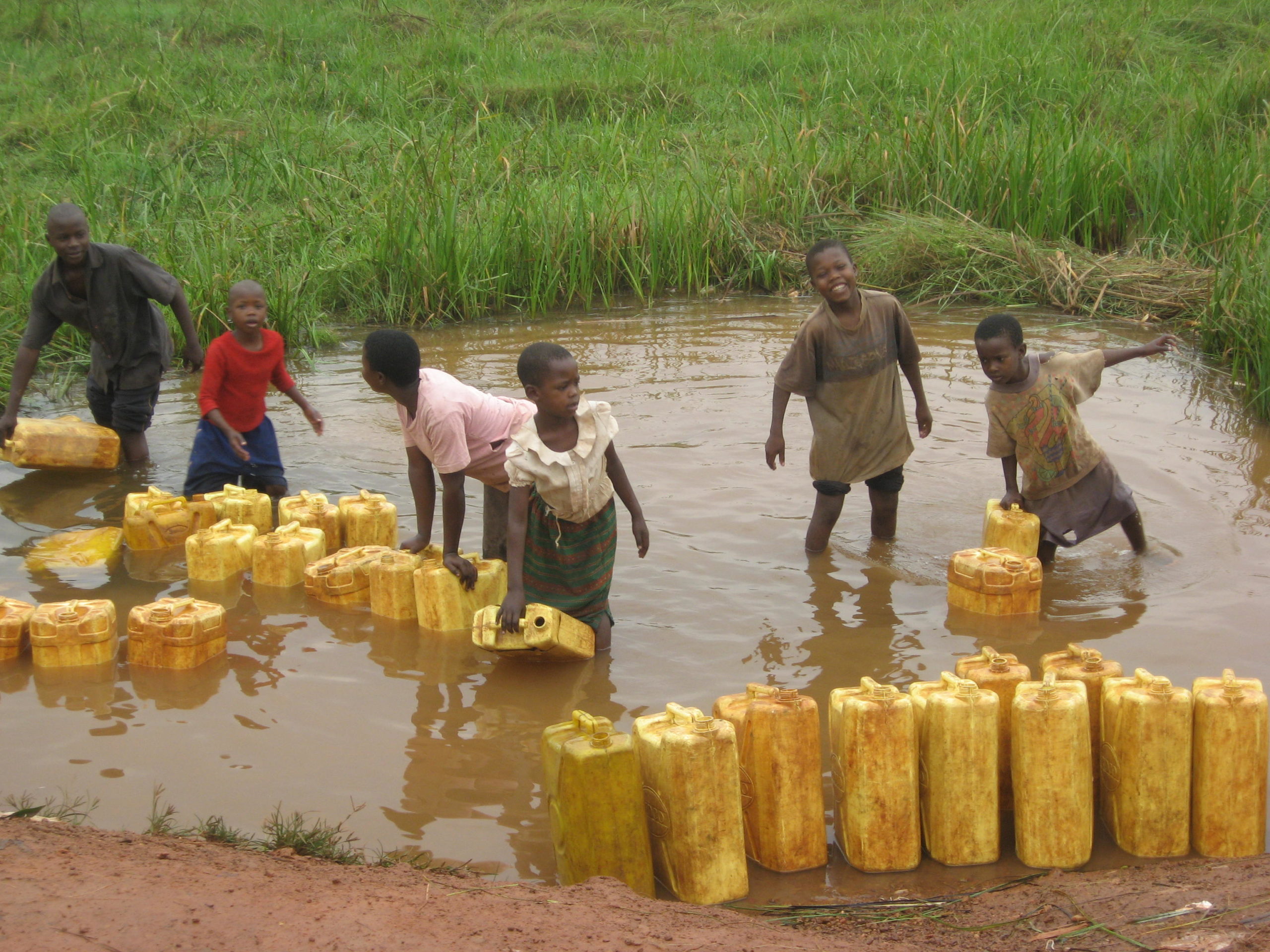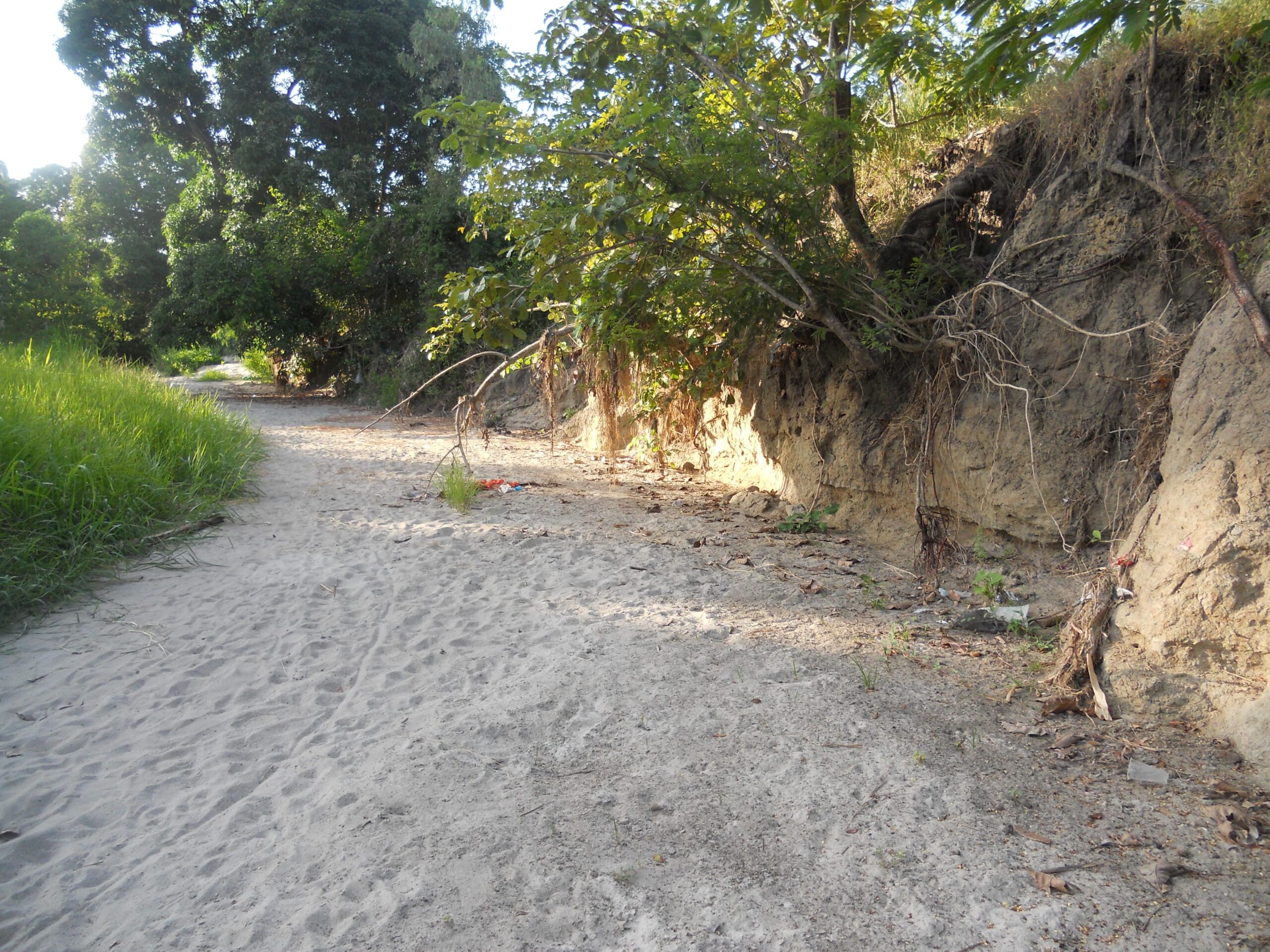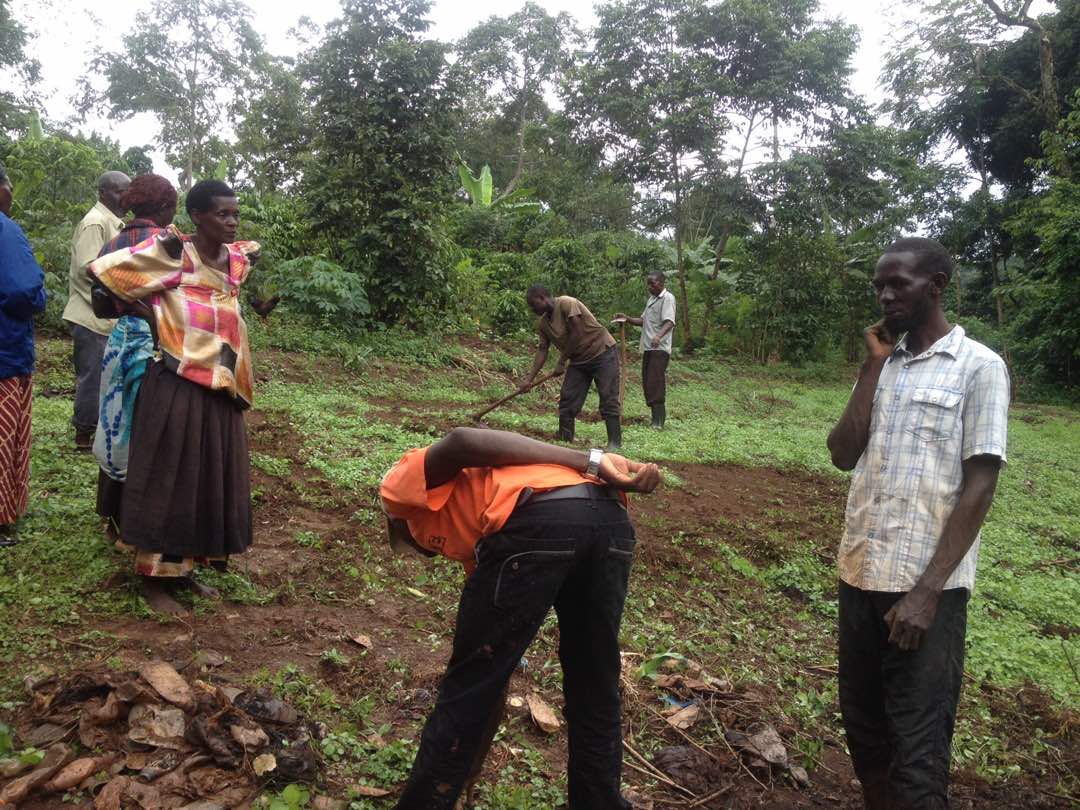
Between 2020 and 2023, Southern Africa experienced a series of devastating cyclones that had profound consequences on human lives, development, and the environment. Countries such as Mozambique, Malawi, and Zimbabwe were among the hardest hit, suffering heavy fatalities, widespread displacement, and extensive damage to infrastructure and livelihoods. The cyclones not only exposed the fragility of socio-economic systems in the region but also highlighted the deep interlinkages between environmental mismanagement and climate-induced disasters.
Humanitarian and Development Impacts
The cyclones left behind a heavy toll:
- High fatalities and injuries across communities, particularly in rural areas where early warning systems and emergency preparedness were limited.
- Food insecurity, as floods destroyed thousands of hectares of cropland, disrupted agricultural cycles, and worsened hunger among vulnerable populations.
- Infrastructure loss, with bridges, schools, health centers, and road networks severely damaged, limiting access to essential services and delaying recovery.
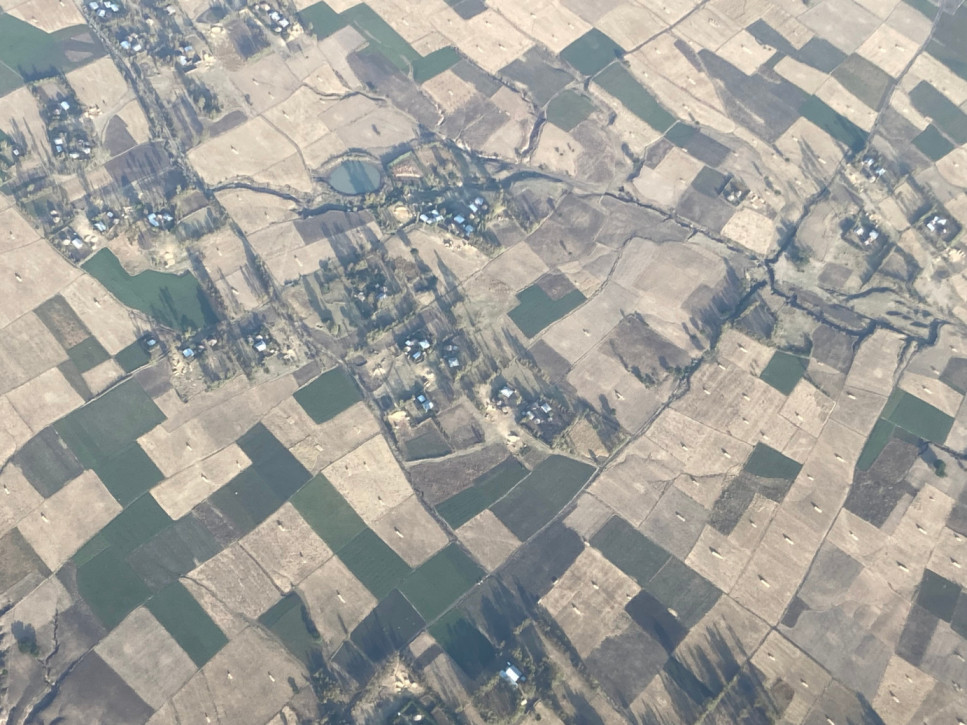
- Displacement and loss of livelihoods, as families were forced to abandon submerged homes and farmland, further deepening cycles of poverty.
AUC Assessment of Drivers
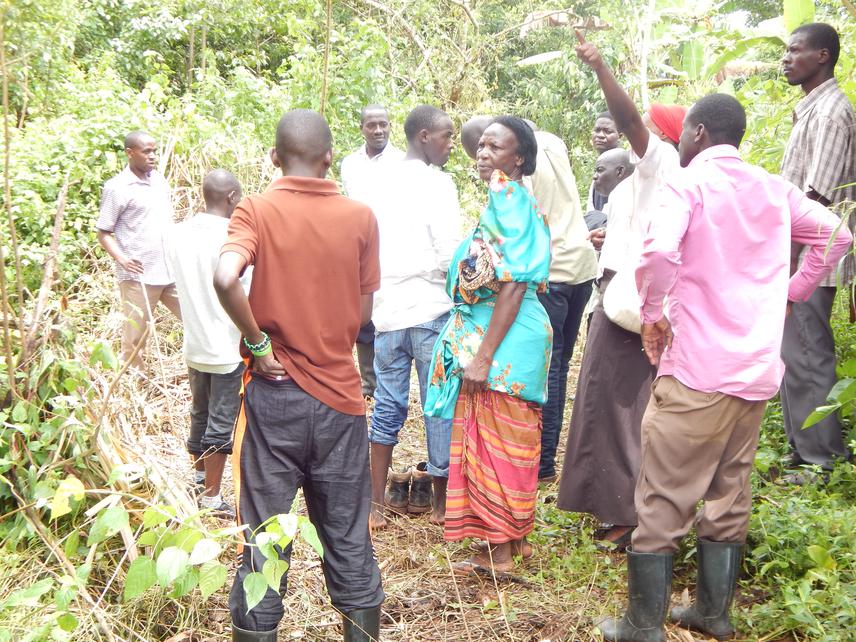
We conducted an assessment which concluded that both anthropogenic activities and climate variability intensified the vulnerability of landscapes to cyclones. Key findings include:
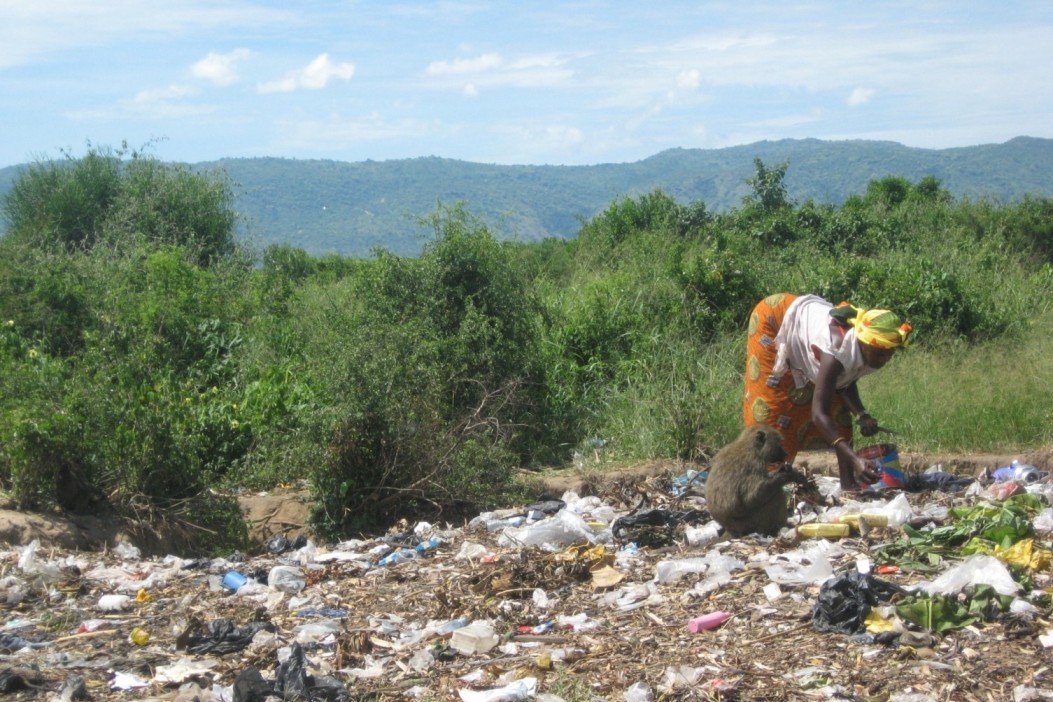
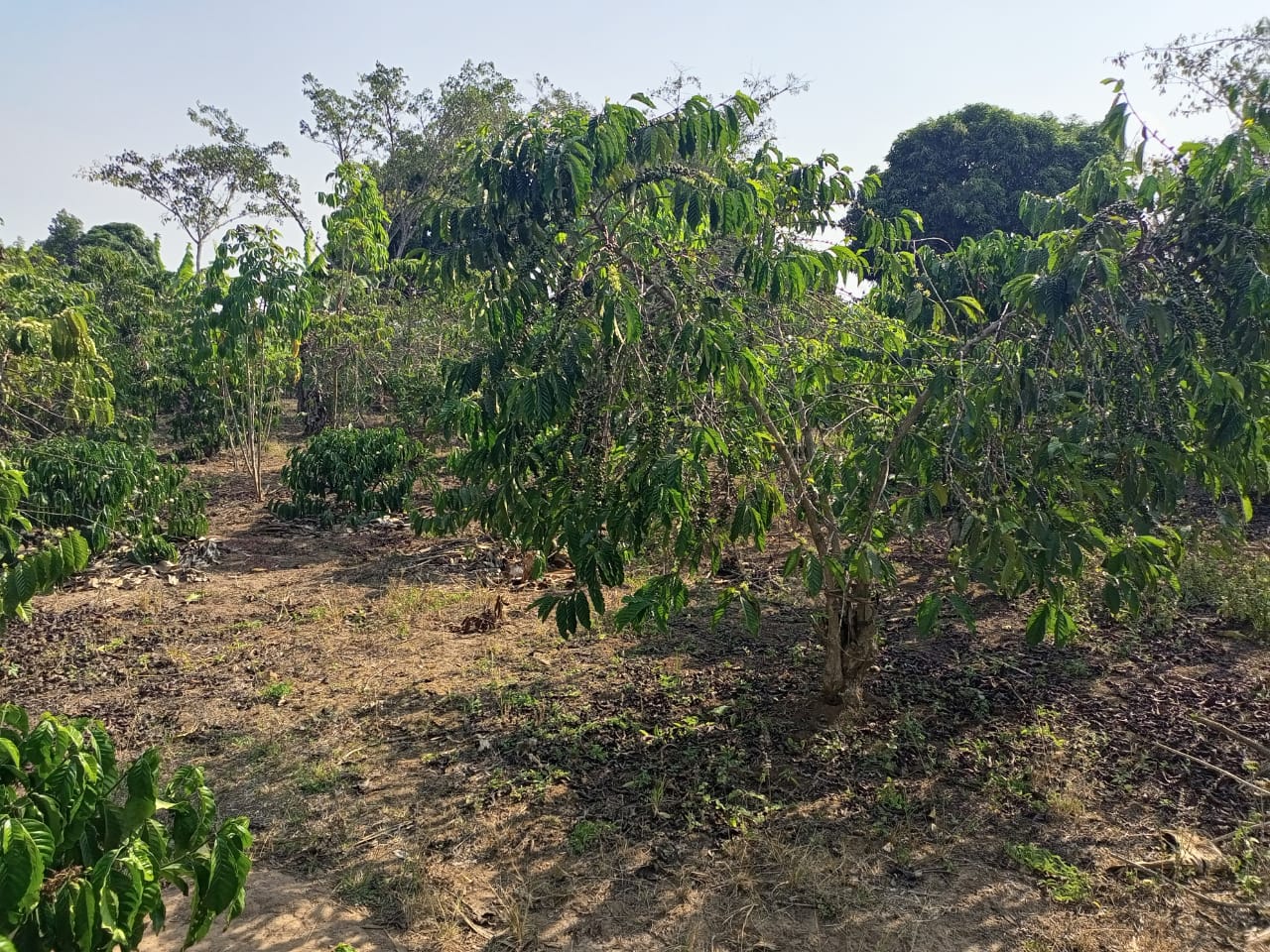
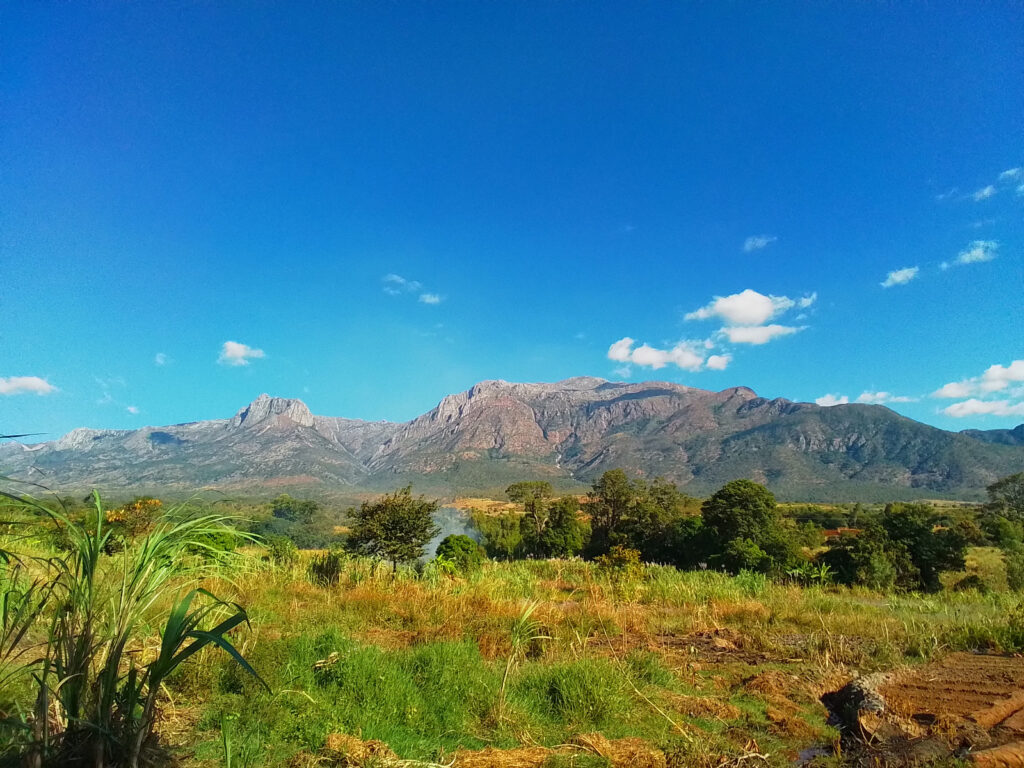
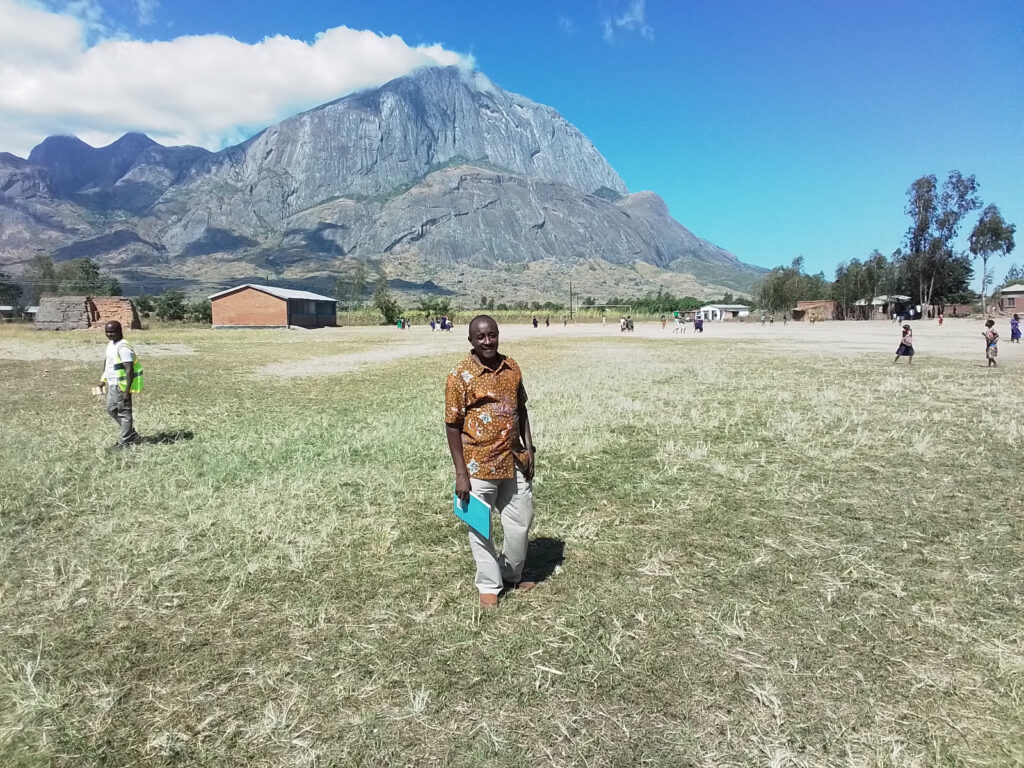
- Land degradation: In Malawi, tree cover on critical hillslopes has declined to as low as 0.1% over the past three decades, largely due to unsustainable harvesting for biofuel. With bare slopes left unprotected, natural regulators of runoff and soil stability were lost, exacerbating flood intensity during cyclones.
- Altered biophysical environments: Degraded hills and catchments generated uncontrolled environmental flows, overwhelming lowland areas with unprecedented flooding.
- Cumulative climate stressors: Rising temperatures and shifting rainfall patterns, linked to global climate change, have amplified the frequency and severity of cyclonic events in the region.
Recovery and Challenges Ahead
While governments and humanitarian agencies have initiated livelihood recovery programs such as emergency food aid, cash transfers, and resettlement support the restoration of degraded ecosystems remains slow and underfunded. Without urgent action to rehabilitate watersheds, restore significant vegetation cover, and build resilient infrastructure, the region faces a high likelihood of repeated tragedies in the coming years.
The Way Forward
To reduce vulnerability to future cyclones, the following measures are critical:
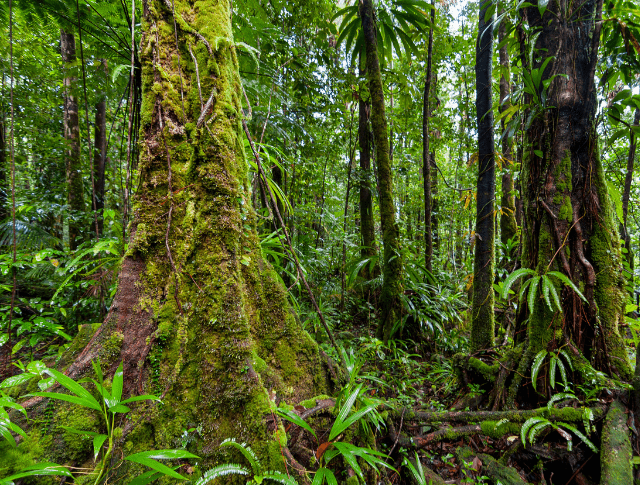
- Ecosystem restoration: Large-scale reforestation, soil conservation, and watershed management to rebuild natural defenses against floods.
- Strengthened governance: Policy reforms that address deforestation, land use mismanagement, and unregulated settlements in high-risk areas.
- Community resilience: Building local adaptive capacities through climate-smart agriculture, alternative energy sources to reduce reliance on biofuel, and inclusive disaster preparedness systems.
- Regional cooperation: Joint monitoring, early warning systems, and coordinated humanitarian response among Southern African countries.
The cyclones of 2020–2023 serve as a stark reminder that climate change, compounded by human-driven environmental degradation, is reshaping disaster risks in Southern Africa. A proactive, integrated approach linking environmental management with socio-economic resilience is essential to safeguard communities and foster sustainable development across the region.