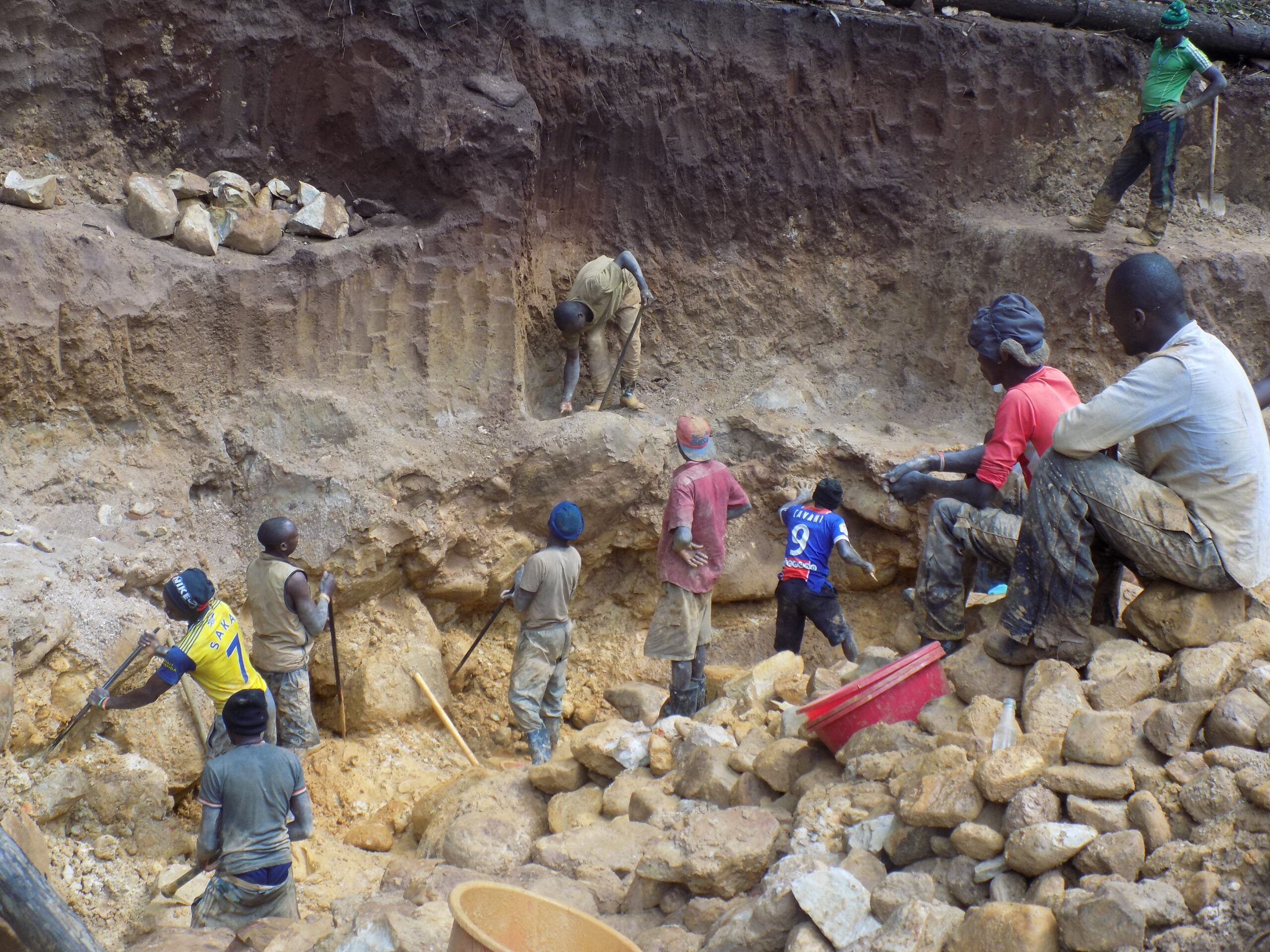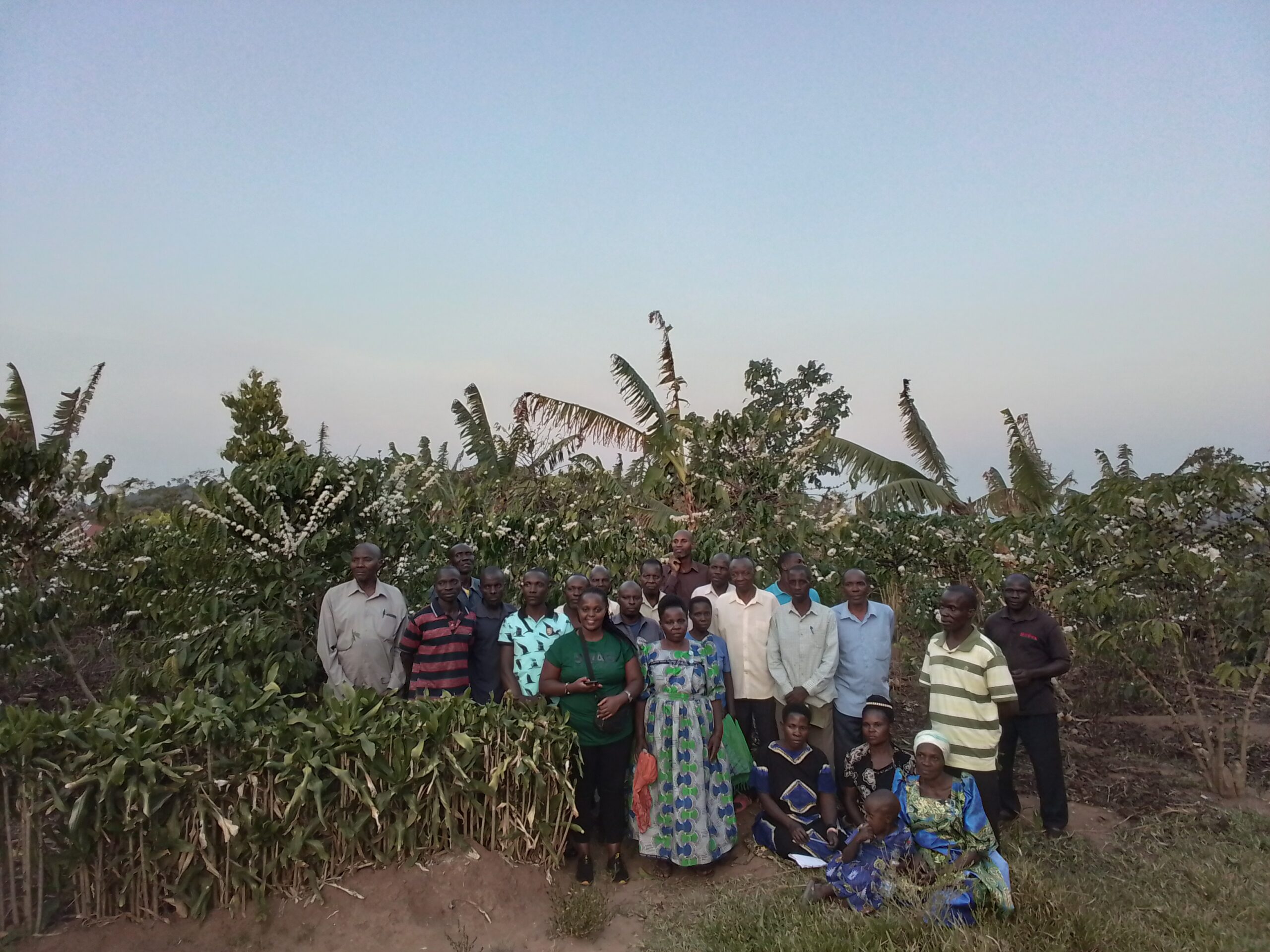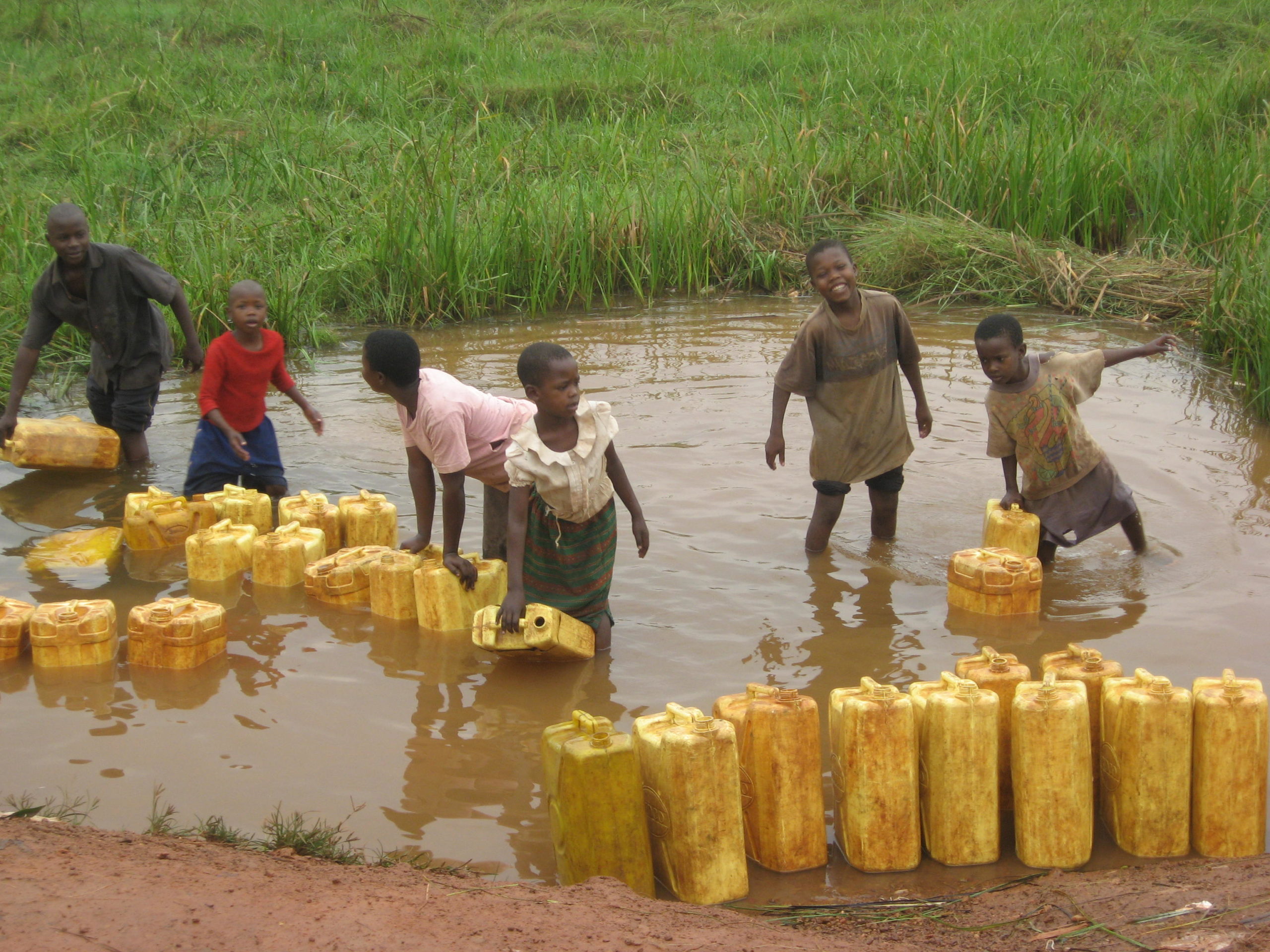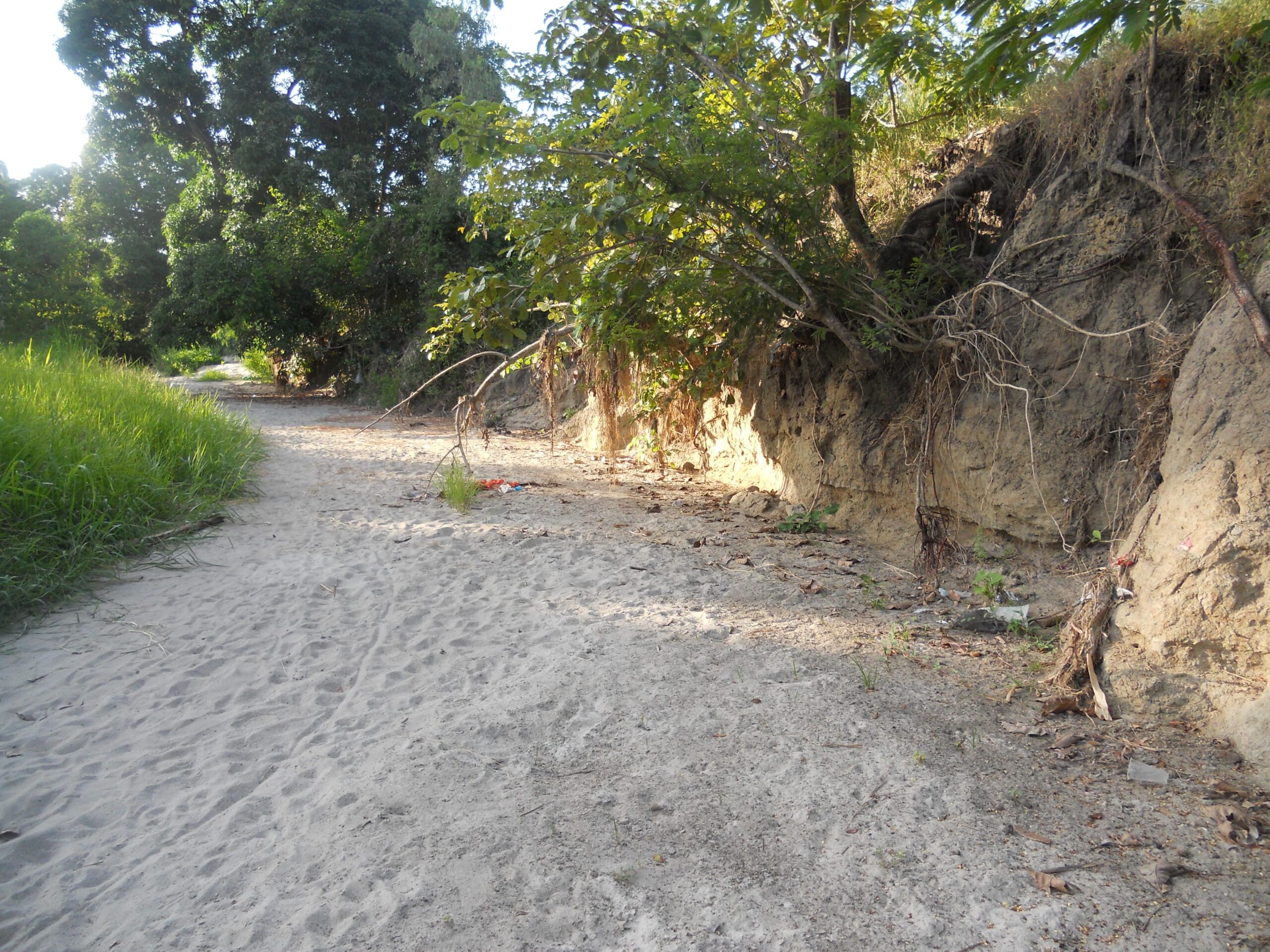
Innovation in conservation, within a societal and political ecology framework, seeks to address the complex interplay between development, environmental sustainability, and community livelihoods. This approach focuses on areas that are conservation potential while recognizing the societal and political factors that can influence their use and management.
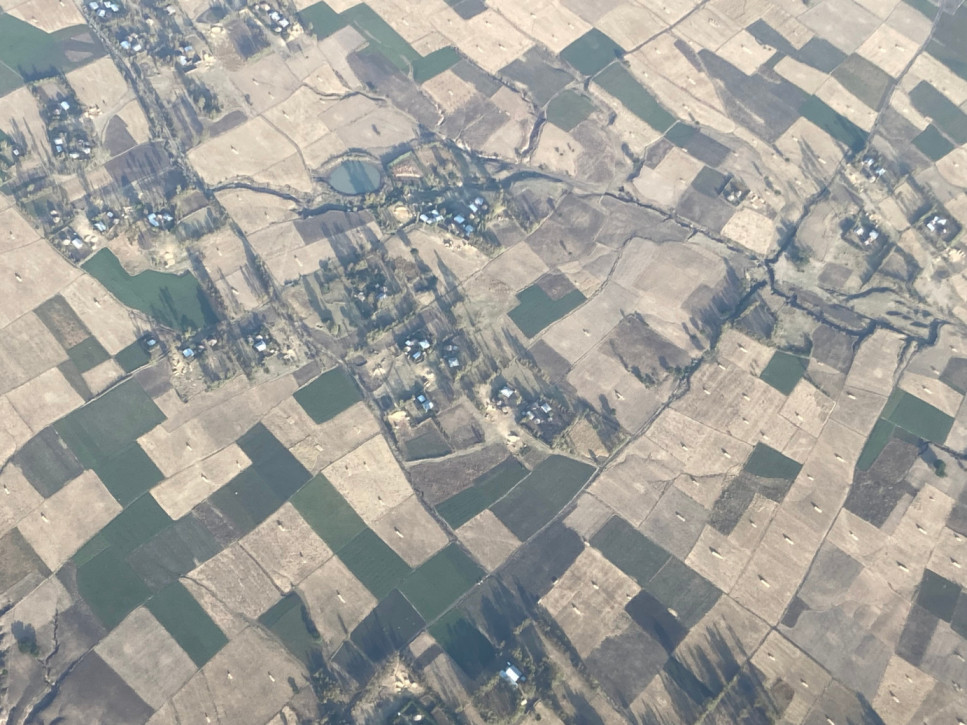
In countries like Uganda, the past decade has seen significant shifts in land use, with previously inhabited
areas transforming into small-scale business centers. These centers, often within 15–20 km of each other,
are rapidly urbanizing, creating economic opportunities for local communities. However, this growth
places increasing pressure on scarce utilities and natural resources. Across Africa, as urbanization accelerates, the demand for conservation-sensitive natural utilities, such as use of firewood for cooking, remains largely unmet. Urban woodlots, though crucial for ecosystem services, are under immense stress due to the expanding demands of growing urban populations. For instance, unmanaged sewer discharges from estates lacking proper drainage systems are polluting
landscapes and introducing toxicities into the public.
Additionally, the rise in mobility marked by the prevalence of motorcycles like “boda bodas” further
contributes to environmental strain, including air pollution and infrastructure pressures. Eastern Africa, in
particular, faces significant risks of landscape depletion, emphasizing the urgent need for robust
conservation safeguards and practices.
Societal attitudes and political priorities may have to be rethought about in order to align and reinforce
the importance of conservation. Ignoring sound environmental management practices will have far-
reaching consequences, exacerbating vulnerabilities and limiting the resilience of ecosystems and
communities.
Recommended Conservation Actions
Develop and enforce urban planning policies not limited to urban areas but incorporate green spaces,
sustainable drainage systems, and implement circularities in waste management solutions to minimize
environmental degradation and pollution.
Empower local communities to adopt sustainable energy sources and conservation practices, reducing
reliance on natural ecosystem service utilities and other stressed resources in urbanizing countryside.