Turning Waste into Opportunity
Waste is a problem when poorly managed. When properly managed, however, it becomes a resource and an economic opportunity. This principle has shaped the Union work on waste, biodiversity and community livelihoods. Over the past several years, the Union has examined how waste moves from households and businesses to disposal sites. Traditionally, little attention was given to segregation at source. Organic matter, plastics, metals, glass and other materials were often mixed and transported to the same dumping grounds. The circular economy is changing this perception. As natural resources become increasingly constrained, recovery and reuse are becoming more important. Materials previously regarded as waste can become inputs for new products and economic activities. Waste management must therefore move beyond disposal towards reduction, segregation, recovery, reuse and recycling.
Kanaaba in Ntoroko District
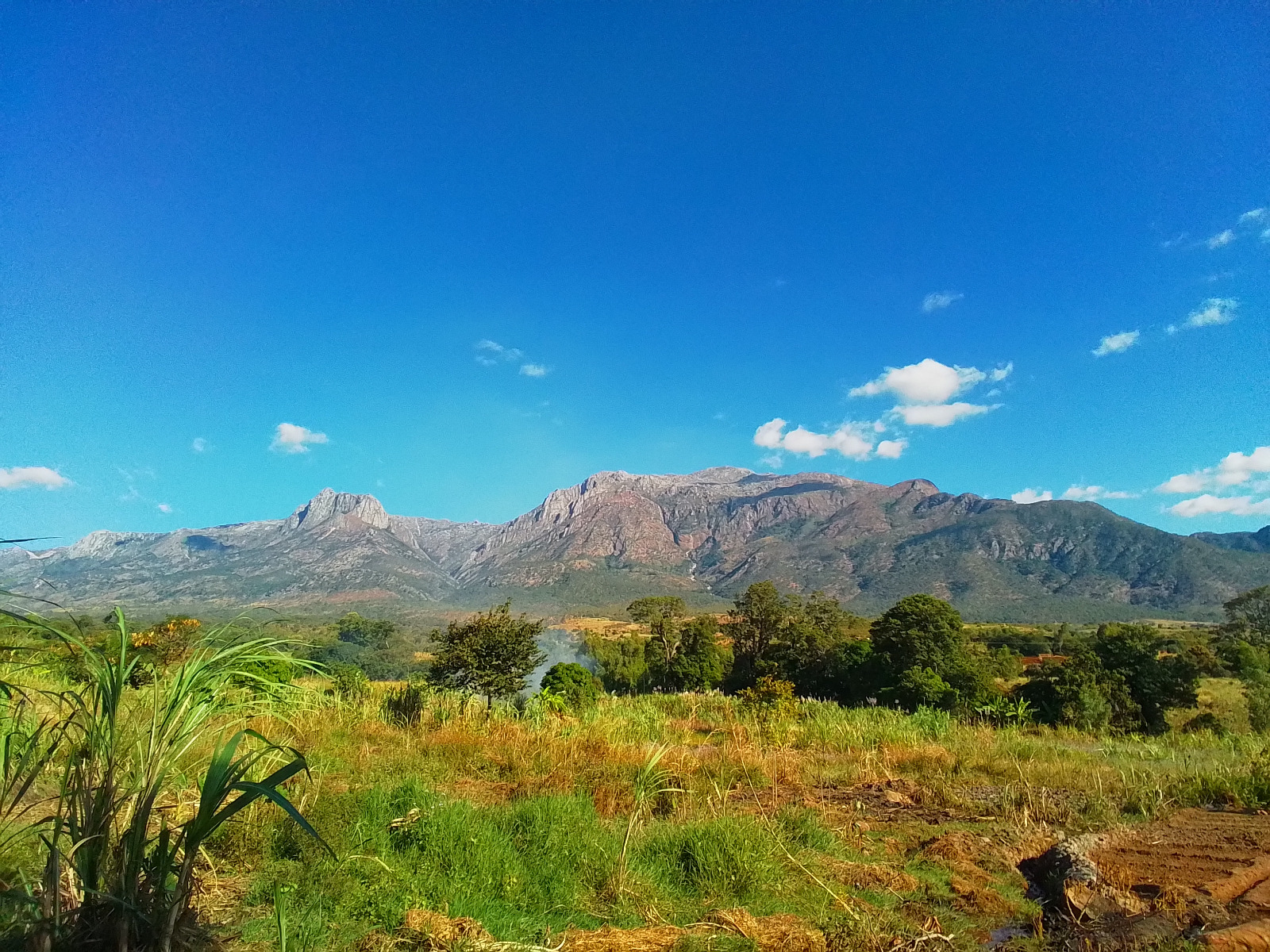
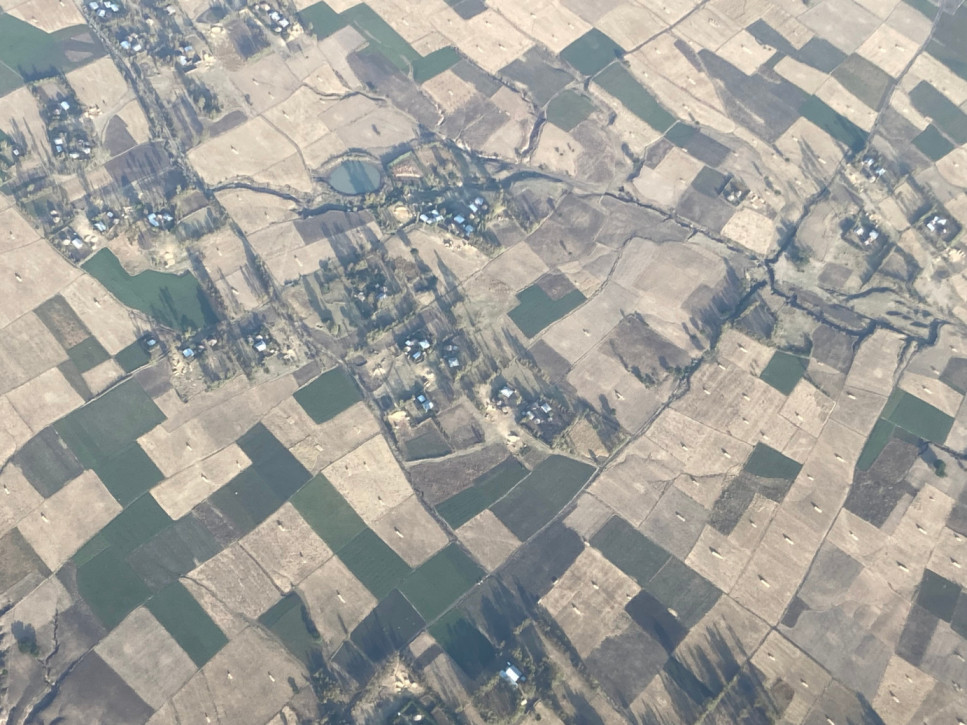
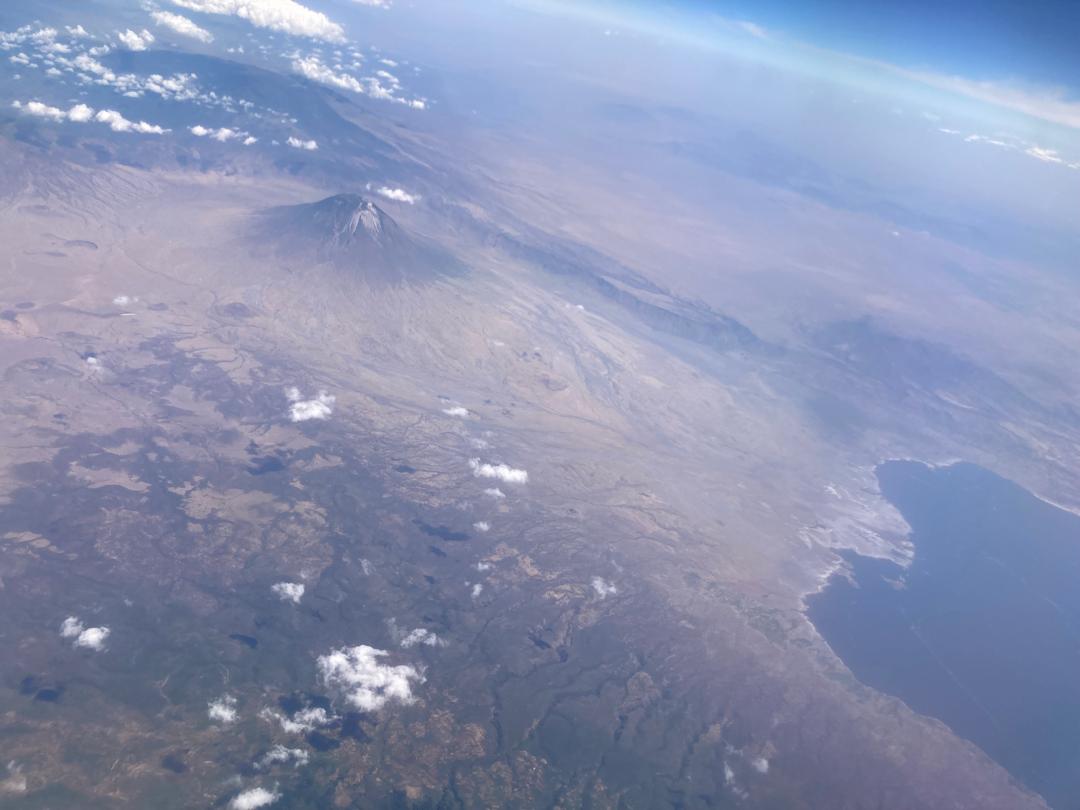
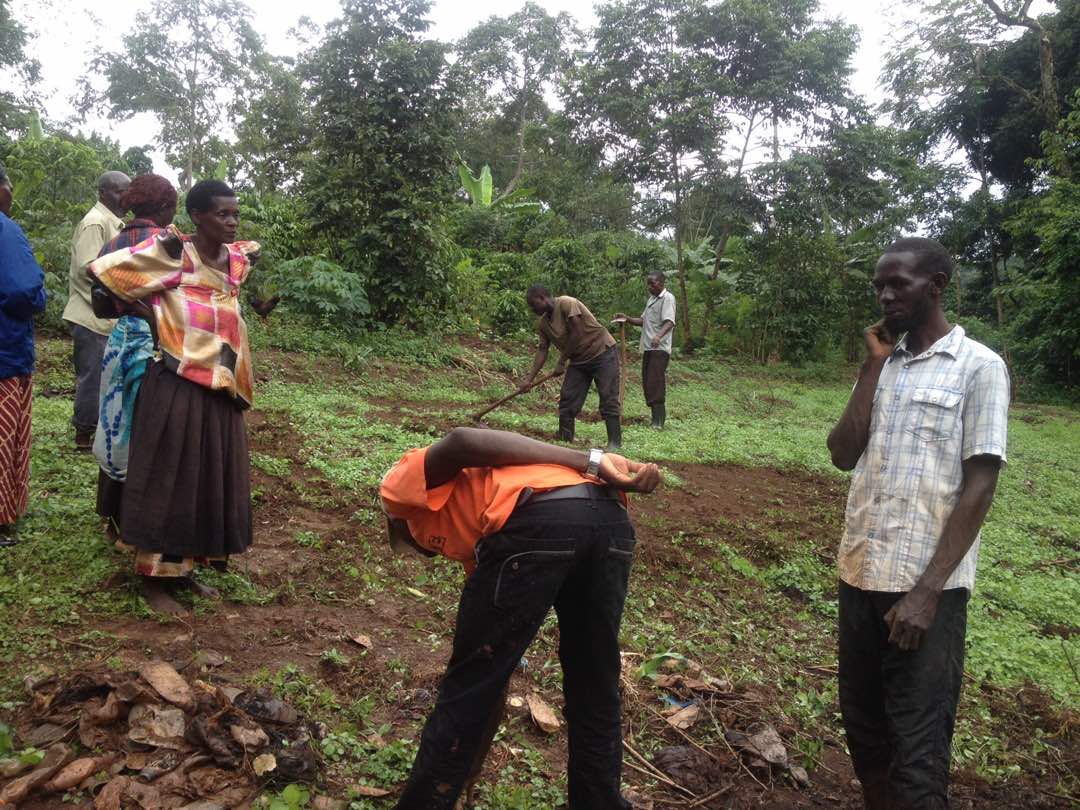
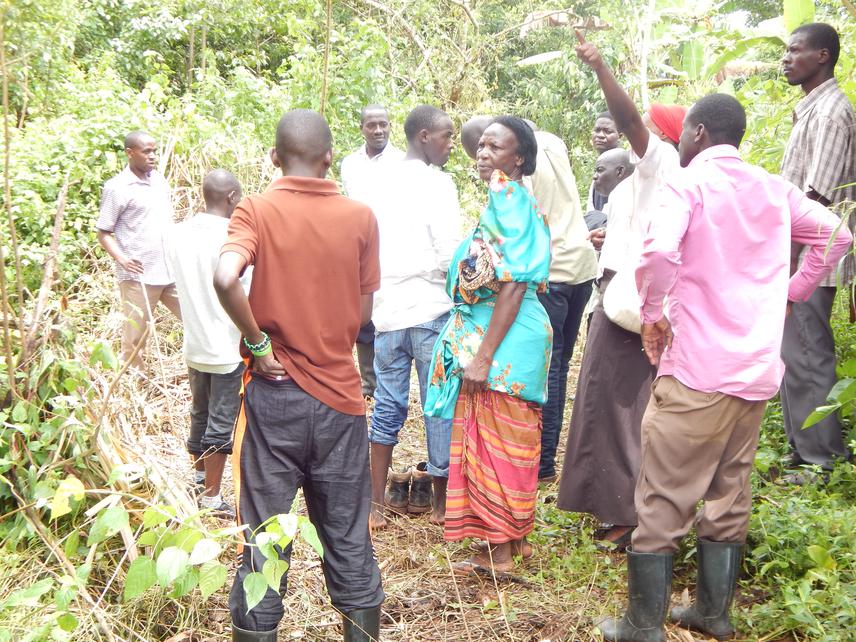
We assessed interactions in Kanaaba Town Council, Ntoroko District, western Uganda. The wider landscape is environmentally sensitive and forms part of the Albertine Rift. It also supports important ecological connectivity within the transboundary landscape shared by Uganda and the Democratic Republic of Congo. The area combines biodiversity values with rapidly changing human activities. Settlements are expanding. Cross-border trade is growing. Oil and gas development is also influencing the wider regional economy. These changes are increasing the volume and diversity of waste generated. Its location makes responsible waste management particularly important. Poorly managed waste can affect terrestrial and aquatic habitats. It can also attract wildlife to dumping sites and increase interactions between people, livestock and wild animals.
When Wildlife and Waste Meet
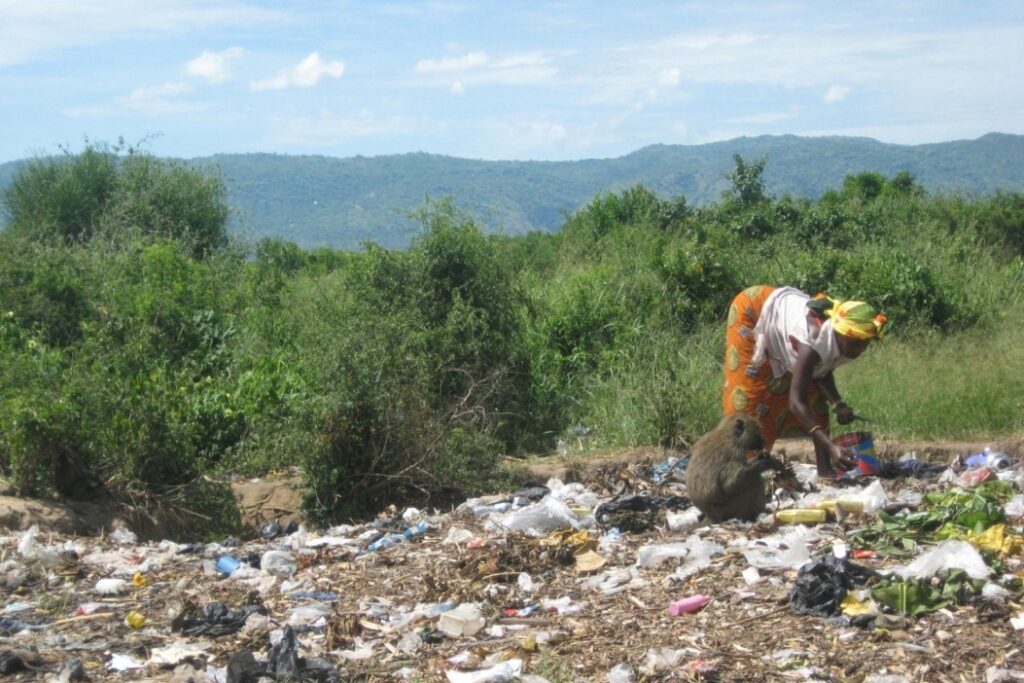
Our assessment identified increasing interactions between fauna and poorly managed waste disposal areas. Wildlife was attracted to sites containing food and other organic materials. People also entered these areas to recover materials that could be reused or sold. This demonstrates the economic value contained within discarded materials. It also presents ecological and public-health concerns. Mixed waste may contain contaminated materials, sharp objects, hazardous substances and potential disease vectors. Uncontrolled access can therefore expose waste collectors, livestock and wildlife to avoidable risks. The proximity of disposal areas to sensitive ecosystems increases these concerns. Waste management in such landscapes should therefore be considered not only as a municipal service, but also as an important component of biodiversity conservation and ecosystem health.
Waste Management Starts with Knowing the Waste
Effective waste management can be expensive, particularly for small and resource-constrained local governments. Collection infrastructure, transport, storage, treatment and final disposal all require financing and institutional capacity. However, effective management does not always begin with sophisticated laboratory analysis. The first requirement is to understand what is being generated, where it originates and in what quantities. A practical waste audit can identify the principal waste streams. These may include organic waste, plastics, metals, glass, paper, used oils and residual mixed waste. Quantifying these streams can support better collection systems, recycling partnerships and sustainability reporting.
It is equally important to understand the capacity of available recyclers and waste-management companies. A recyclable material only becomes a useful resource when there is a technically and economically viable system for its collection, transportation and recovery.
From Mixed Waste to Resource Recovery
We observed considerable potential for recovering organic waste, particularly from restaurants and food-related businesses. Some suitable food residues could potentially be redirected towards appropriate animal-feed systems where this can be undertaken safely and in accordance with applicable requirements.
Other biodegradable materials could be separated for composting. This would reduce the amount of organic material reaching open dumping areas while creating useful soil-conditioning products.
Used cooking oils and other recoverable materials should form separate waste streams. Mixing these materials with general waste reduces their recovery value and complicates safe management.
The major challenge remains waste generated in public areas. Collection can be constrained by inadequate containers, poorly located collection points, transport limitations and odour. Where organic and non-organic wastes are mixed, opportunities for recovery decline. Such disposal practices can also increase the attraction of wildlife to dumping grounds.
Planning for a Changing Landscape
Future oil, gas, commercial and infrastructure developments may establish their own waste-management and recycling systems. However, these systems are often designed for individual facilities and operations. They may not address the growing volume of domestic and municipal waste generated by surrounding communities.
AUC therefore recommends a broader municipal waste audit and resource-recovery assessment. This should cover households, restaurants, markets, commercial premises and public spaces.
The results should inform an integrated waste-management plan. The plan should define the major waste streams, segregation requirements, collection arrangements, recycling opportunities and appropriate disposal pathways. It should also identify responsibilities for local government, businesses, communities and recycling enterprises.
Creating Green Jobs Through Circularity
Waste management should not be viewed only as a cost. With appropriate systems, it can generate livelihoods while reducing pressure on ecosystems.
AUC plans to pilot community-based organic waste collection and resource-recovery initiatives in selected urban and peri-urban areas. The approach will test practical segregation systems, partnerships with municipalities and opportunities for local enterprises.
The objective is to demonstrate that better waste management can simultaneously reduce pollution, protect biodiversity, improve environmental health and create green jobs. The transition begins with a simple change in perspective: what we discard should not automatically be considered waste. In a circular economy, it may be a resource waiting to be recovered.