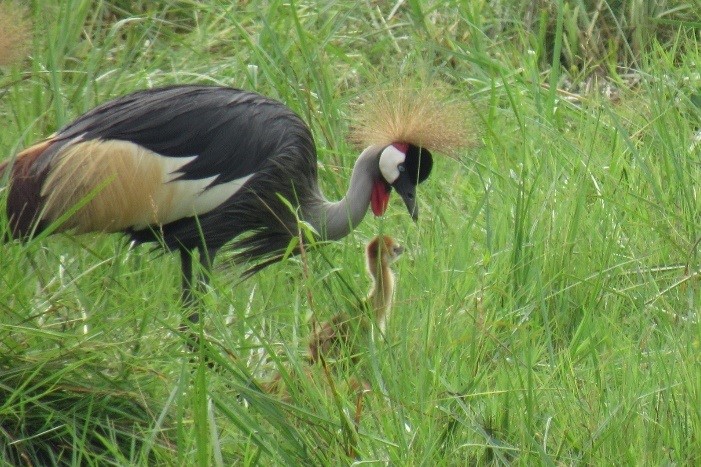
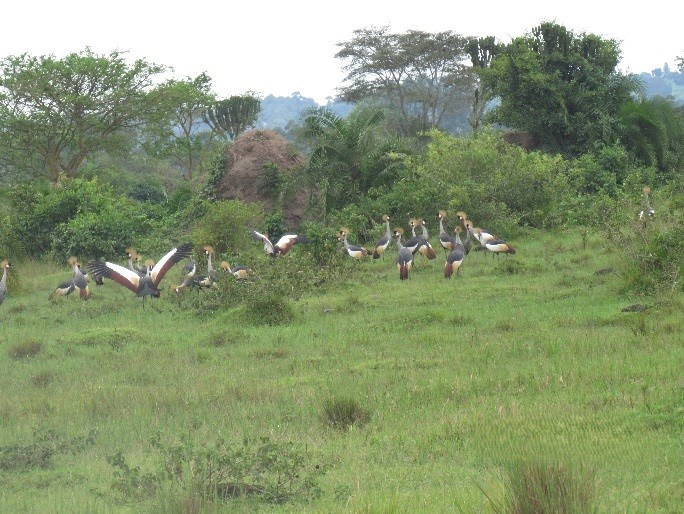
Stephen received support from the Rufford Small Grants programme, working through the African Union of Conservationists (AUC), to advance community-based conservation of the endangered Grey Crowned Crane (Balearica regulorum) in Lwengo District. The initiative works with local communities and authorities to protect critical breeding habitats. It also promotes sustainable agriculture and human and wildlife coexistence.
Conservation Context and Emerging Threats
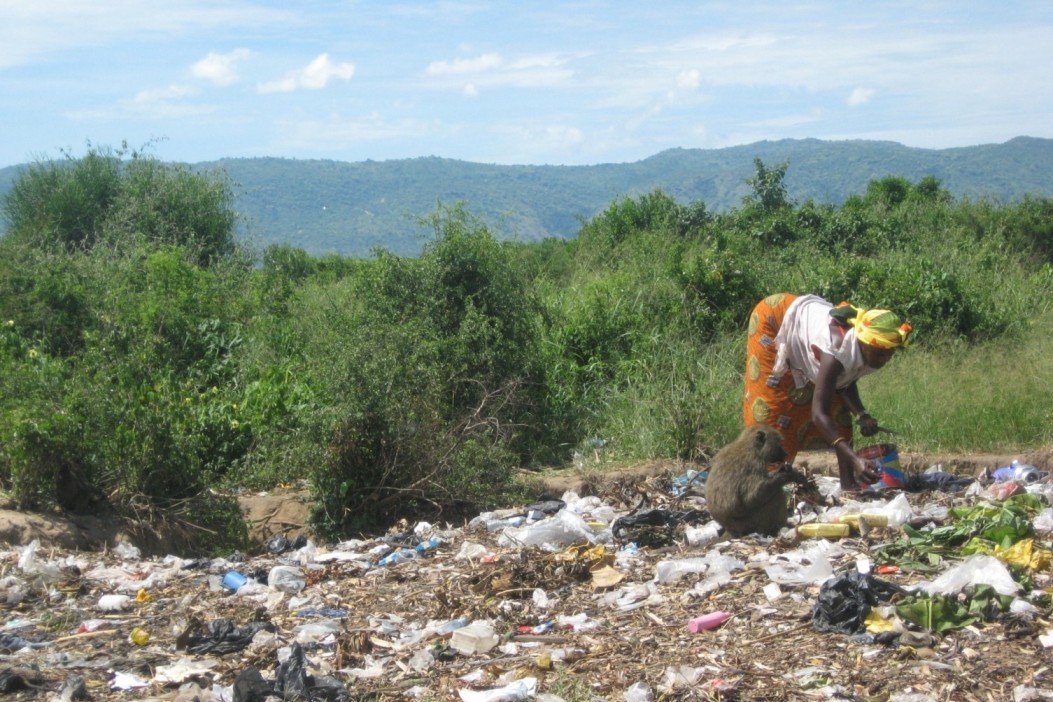
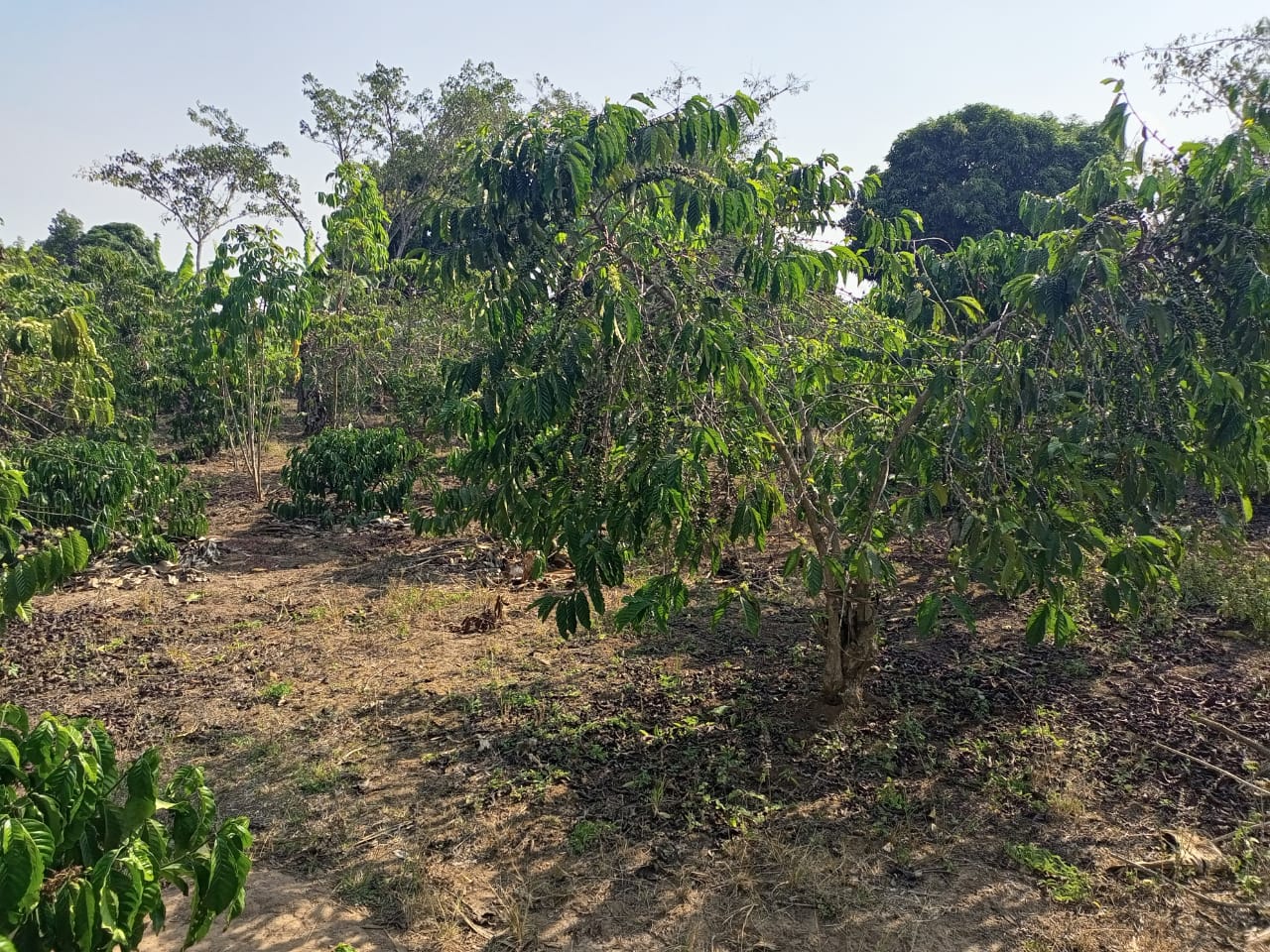
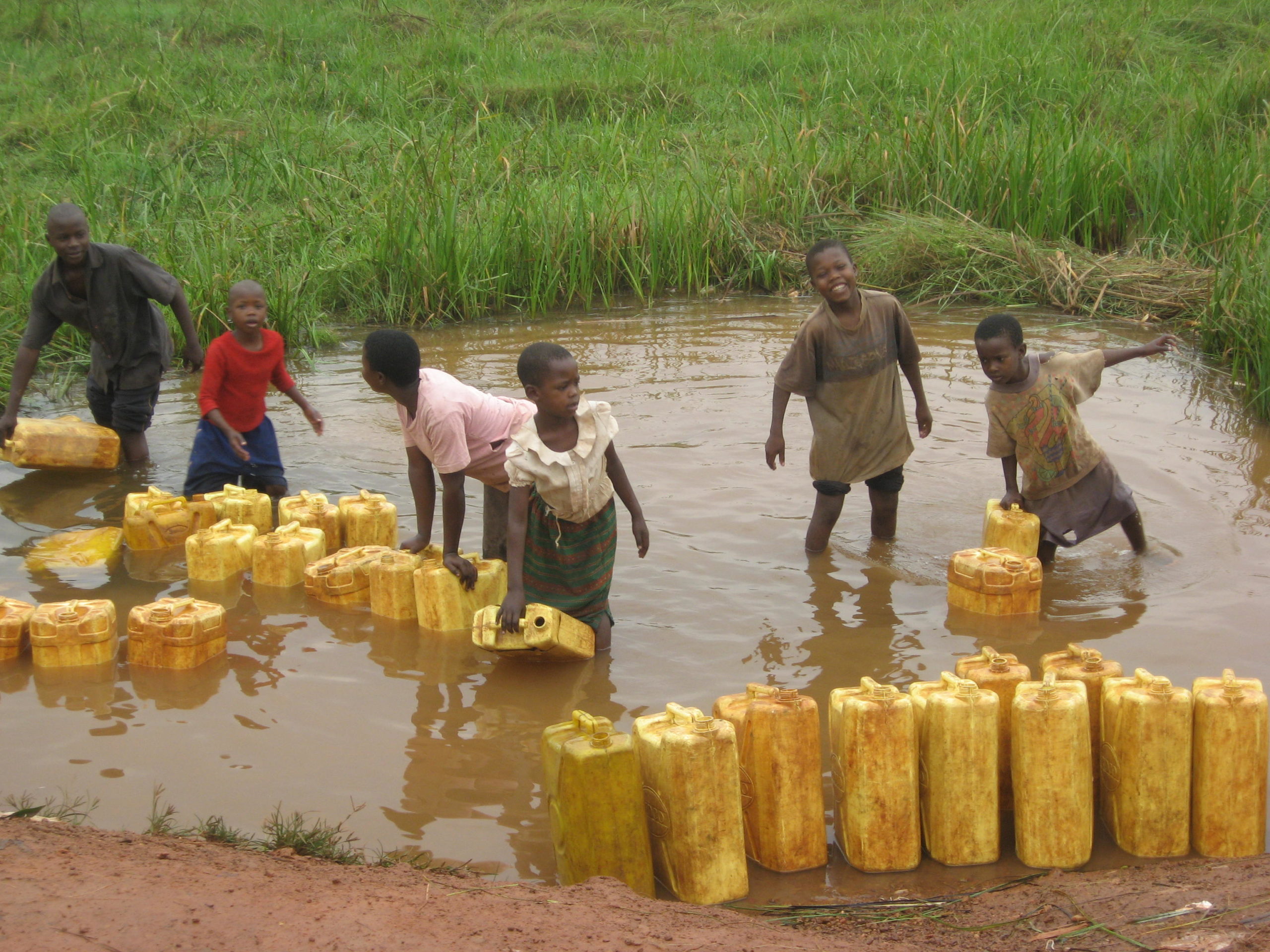
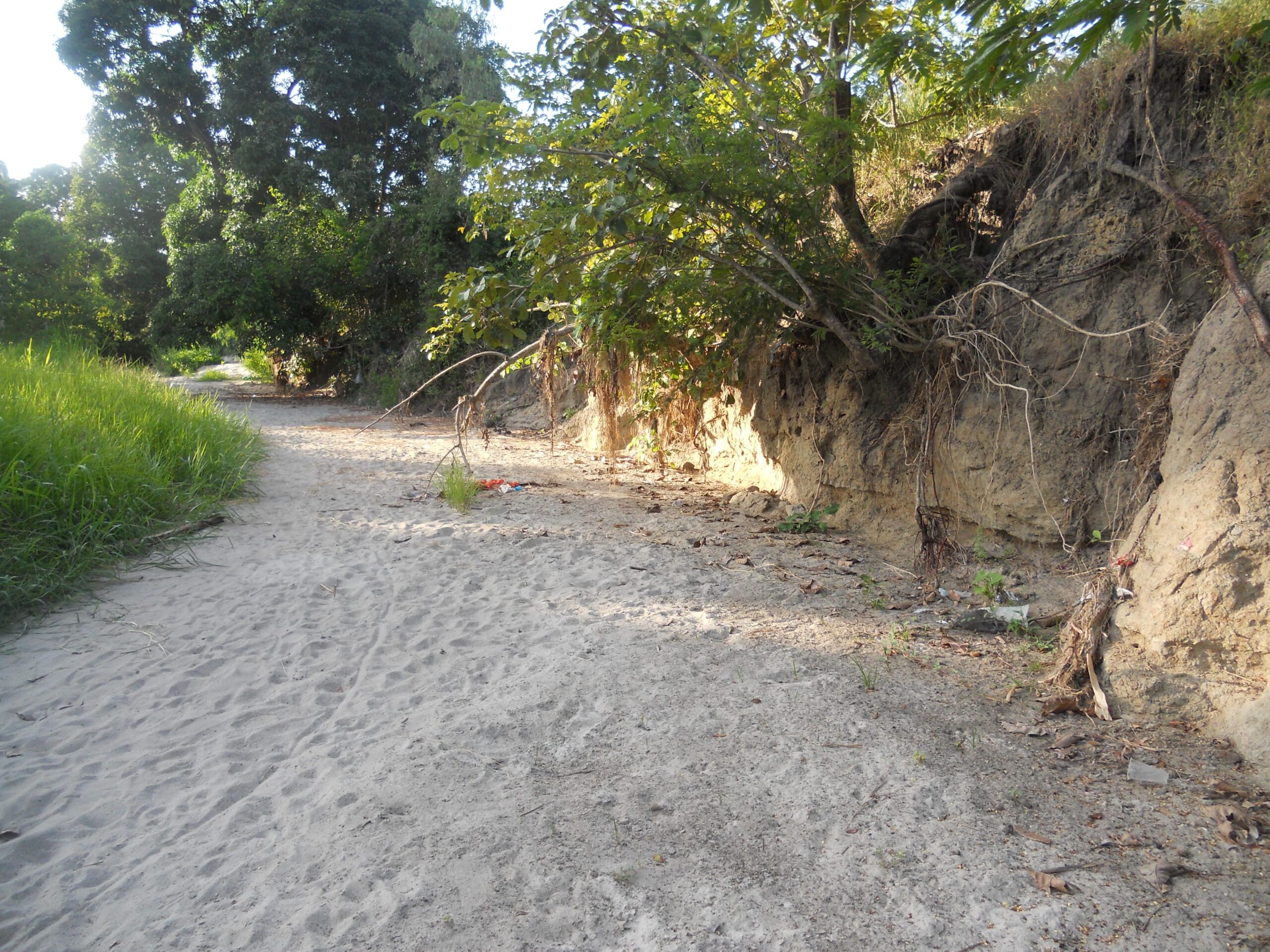
The Grey Crowned Crane faces multiple and interacting pressures across the Lwengo landscape. Rapid population growth is increasing demand for land, particularly for crop production and livestock grazing. This is driving wetland encroachment, drainage, habitat fragmentation and degradation of breeding areas.
Infrastructure development is creating additional pressures. The East African Crude Oil Pipeline (EACOP) traverses’ parts of the wider wetland landscape. Existing high-voltage transmission lines and proposed 220/400 kV linear power infrastructure from Masaka to Mbarara 120km also require careful consideration. Power lines can present collision and electrocution risks to large-bodied birds covering spatial wingspan, including cranes, depending on line configuration and landscape conditions. These pressures are particularly important because Grey Crowned Cranes increasingly occupy human-modified and predominantly agricultural landscapes. Their persistence therefore depends on maintaining suitable wetland breeding habitat alongside compatible land uses. Conservation interventions require to address both species-specific threats and the wider ecological integrity of the landscape.
AUC’s Conservation Response
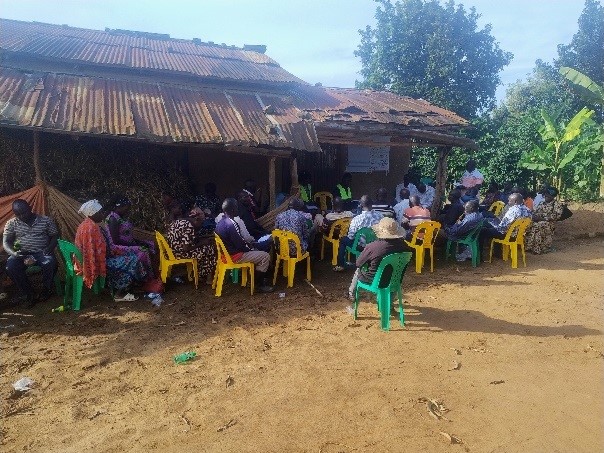
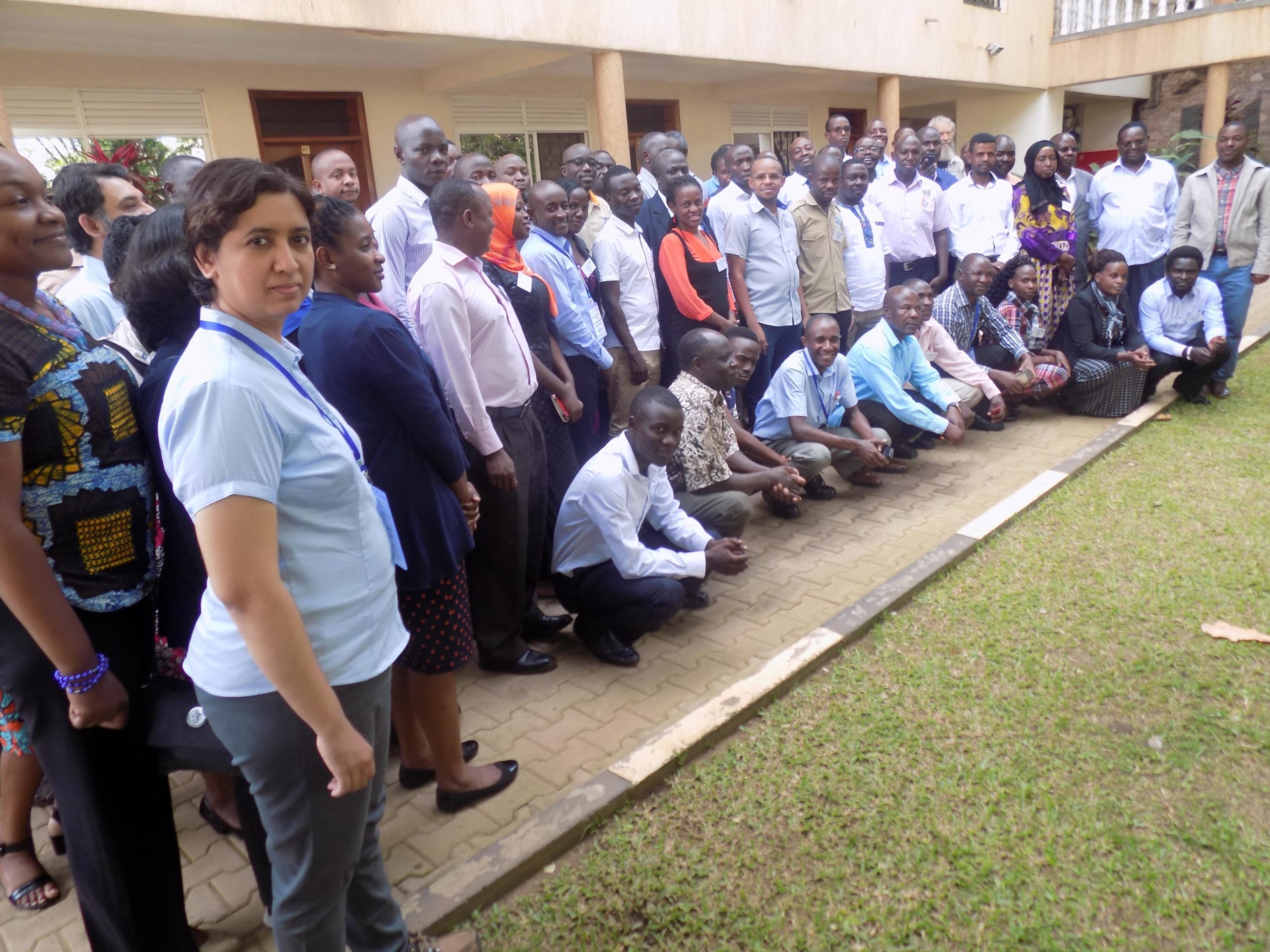
AUC is supporting a landscape – based and community-centred conservation approach. This combines field research, habitat assessment, environmental education, community engagement and conservation advocacy. Local communities are encouraged to identify important crane habitats and report emerging threats. This work has helped identify several important sites used by cranes. The next priority is to develop practical conservation strategies for these sites. These will focus on habitat protection, threat reduction, community stewardship and sustainable management of surrounding agricultural landscapes. Further, AUC also seeks to strengthen the evidence base for conservation decision-making. Future research will examine habitat reduction and fragmentation, agricultural intensification, infrastructure development and climate-related pressures. Particular attention will be given to how these interacting drivers affect crane breeding success, habitat use and long-term population persistence.
Field Evidence and Community Engagement
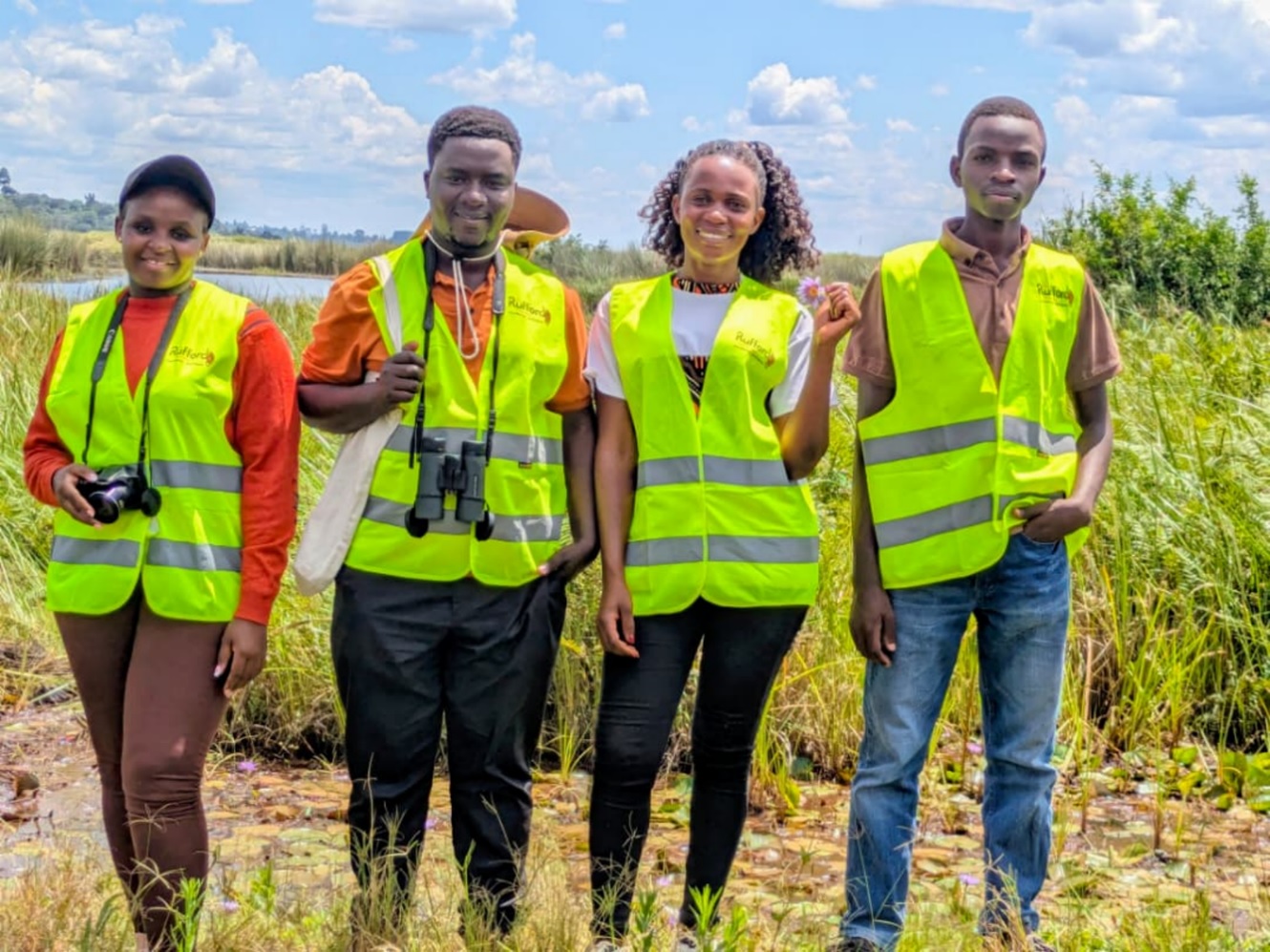
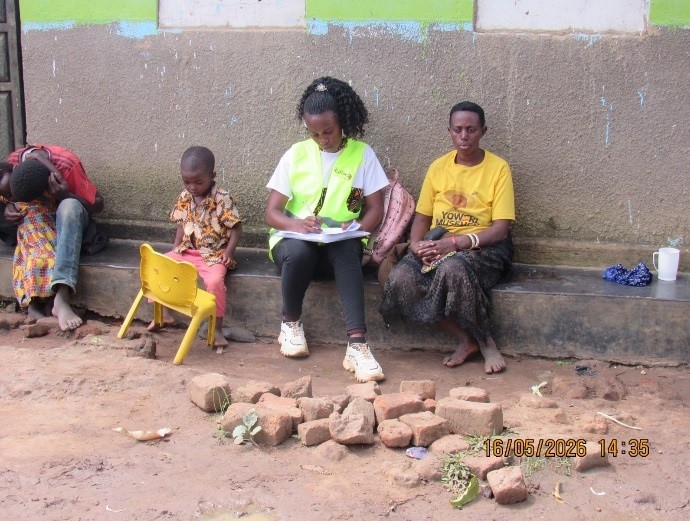
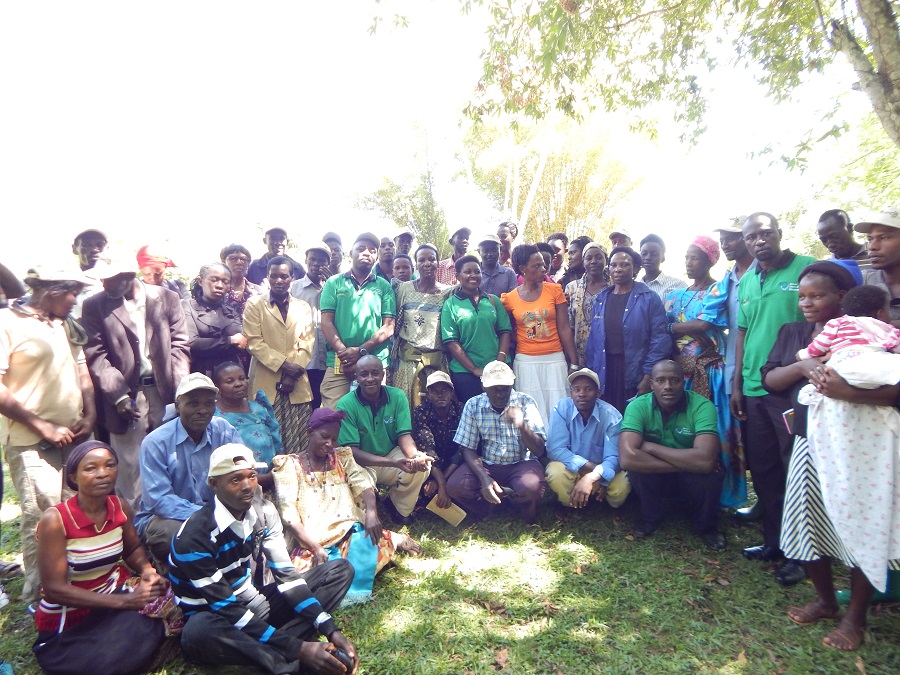
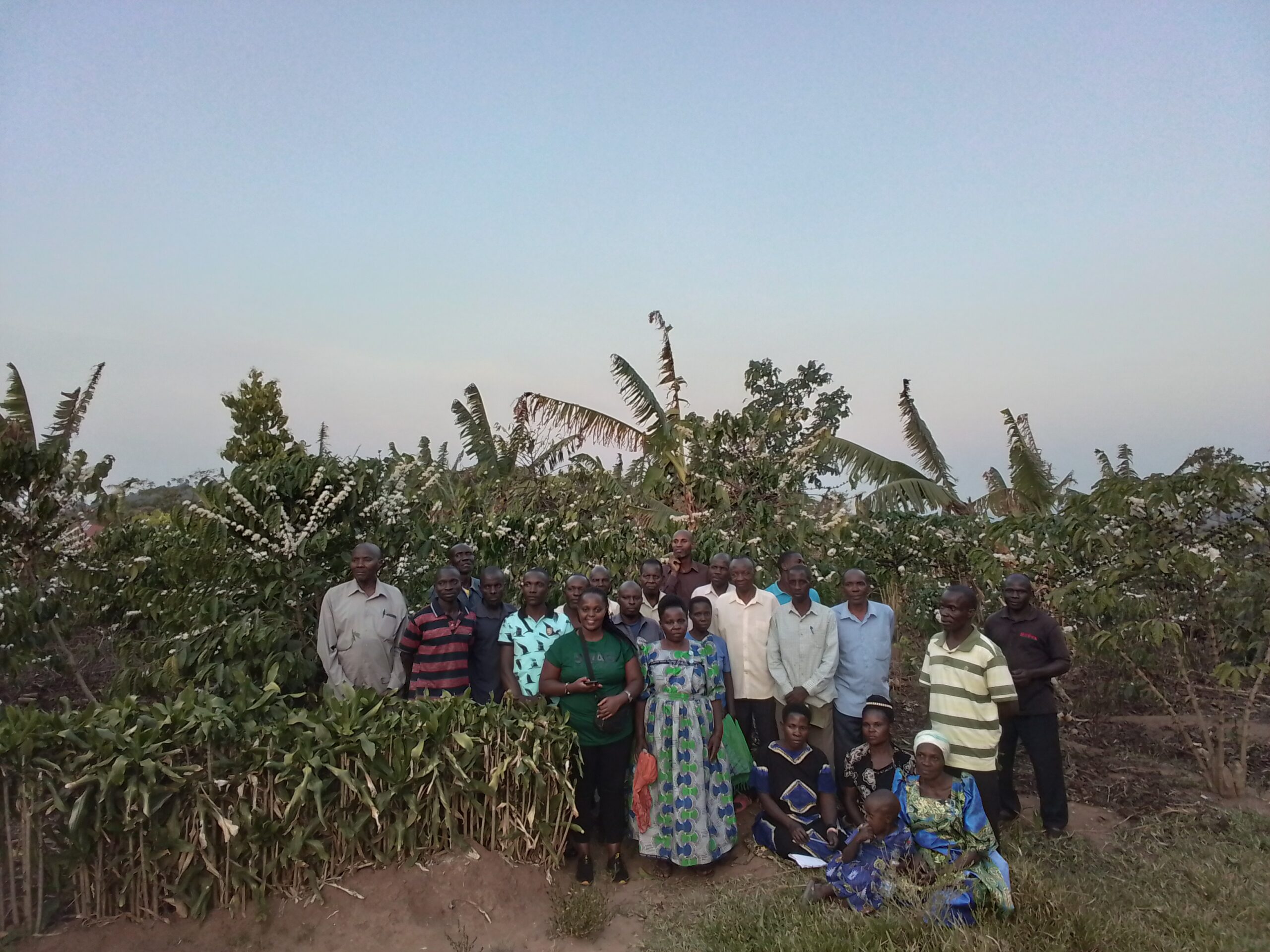
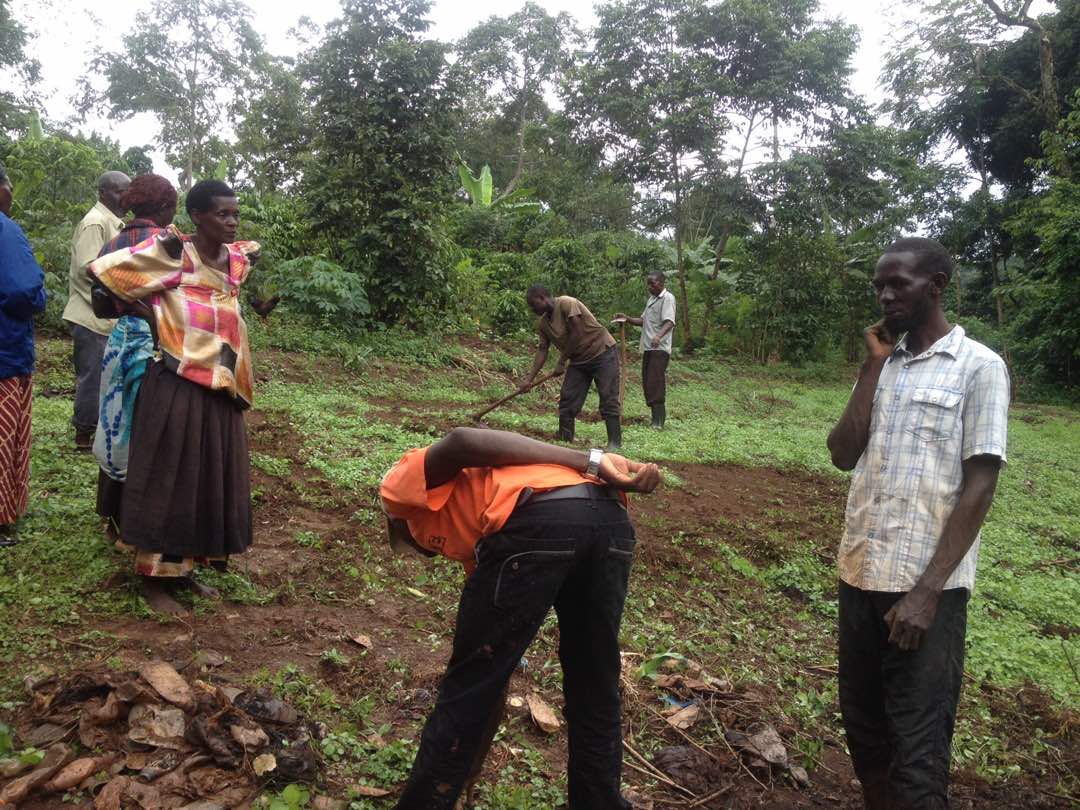
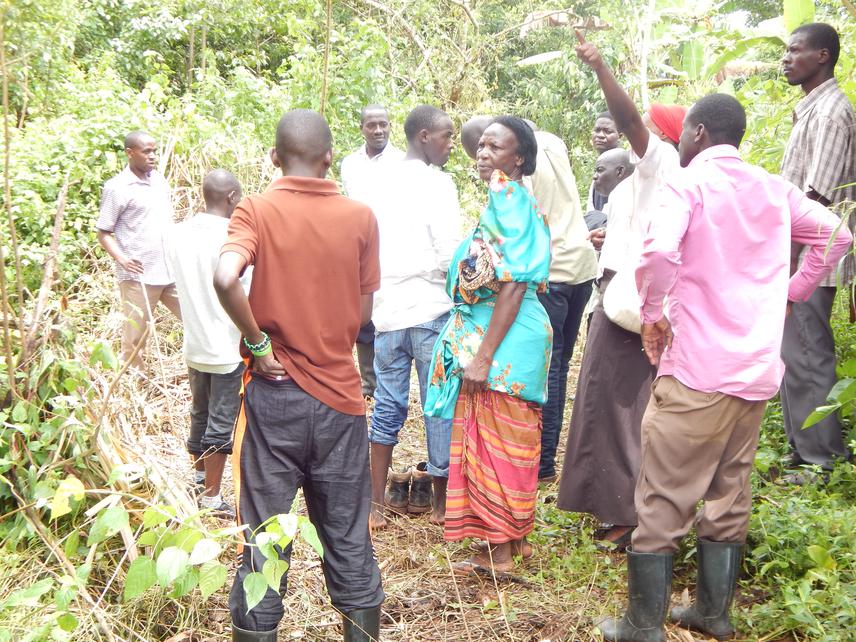
Through field surveys, wetland mapping and community engagement, the project has identified eight Grey Crowned Crane breeding sites within the Kakinga, Kyoja and Kabukata wetland systems. These sites provide an important basis for targeted habitat conservation and long-term ecological monitoring. The project has also engaged more than 200 farming households across eight villages. The engagement has generated information on farmer–crane interactions, crop losses, wetland use and community perceptions of crane conservation. This evidence is helping to identify locally appropriate conservation measures.
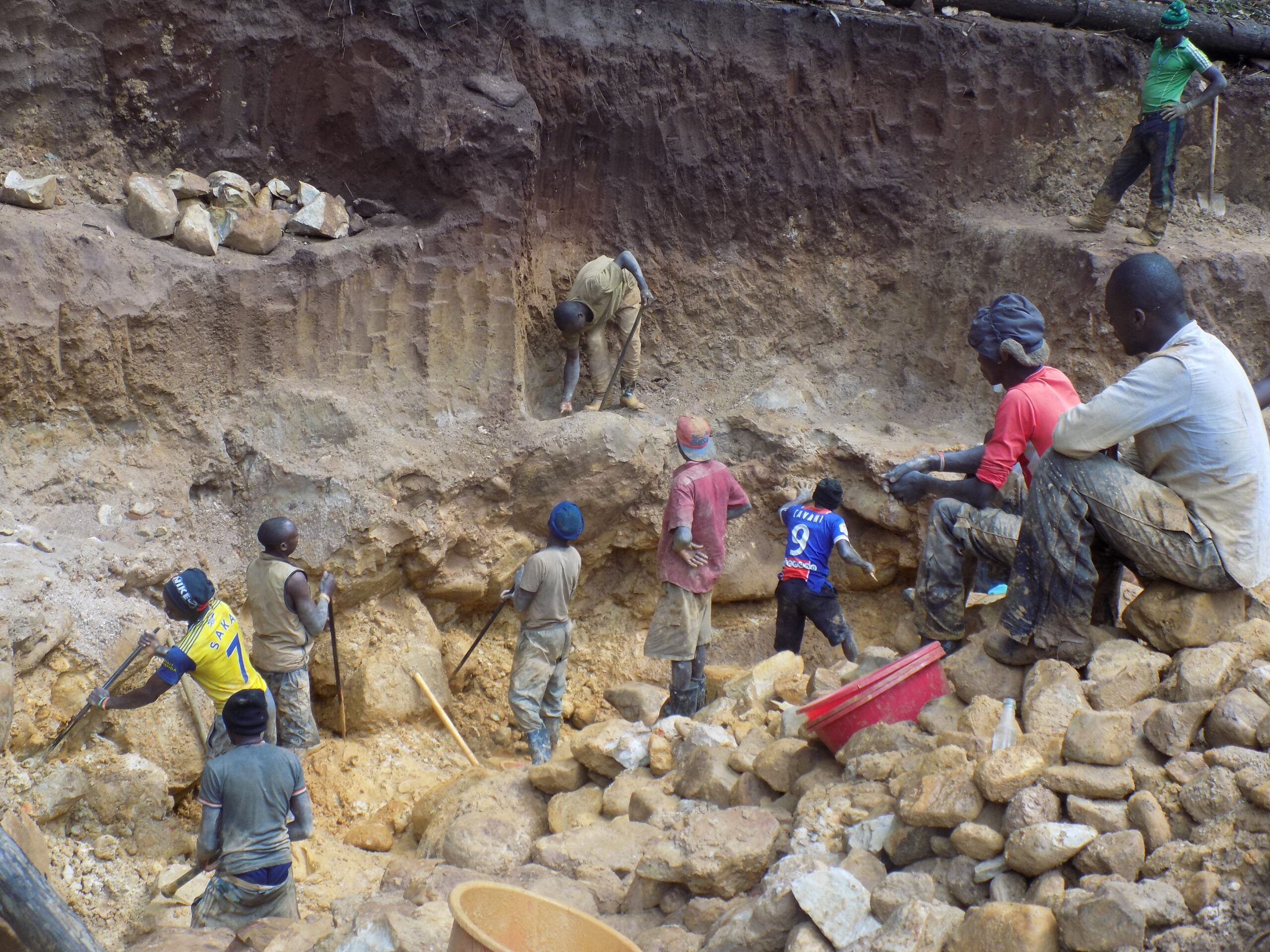
The findings demonstrate that Grey Crowned Crane conservation cannot be separated from wetland conservation and rural agrarian environments. Communities identified wetland cultivation, drainage, habitat degradation, mineral security mining, brick making and pollution as important pressures. At the same time, many farmers expressed willingness to participate in conservation and adopt alternative livelihood and agricultural practices.
Conservation Strategy
The conservation approach is therefore based on a clear ecological principle: secure viable crane populations by protecting breeding habitats while enabling communities to maintain sustainable livelihoods. This requires conservation measures that integrate wetland restoration, sustainable agriculture, environmental education and community stewardship. AUC and its sponsors will expand targeted environmental education within communities surrounding priority crane habitats. The programme will strengthen awareness of crane ecology, wetland ecosystem services and responsible land management. It will also promote community participation in habitat monitoring and threat reporting. In addition to the long-term objective is a resilient landscape where Grey Crowned Cranes continue to breed successfully as indicators of climate change in the area, wetlands retain their ecological functions, and local communities become sustained partners in biodiversity conservation.
Coordinated by
Stephen Ssemwaka